

Sciatica: Causes, Symptoms & How Physical Therapy Can Help
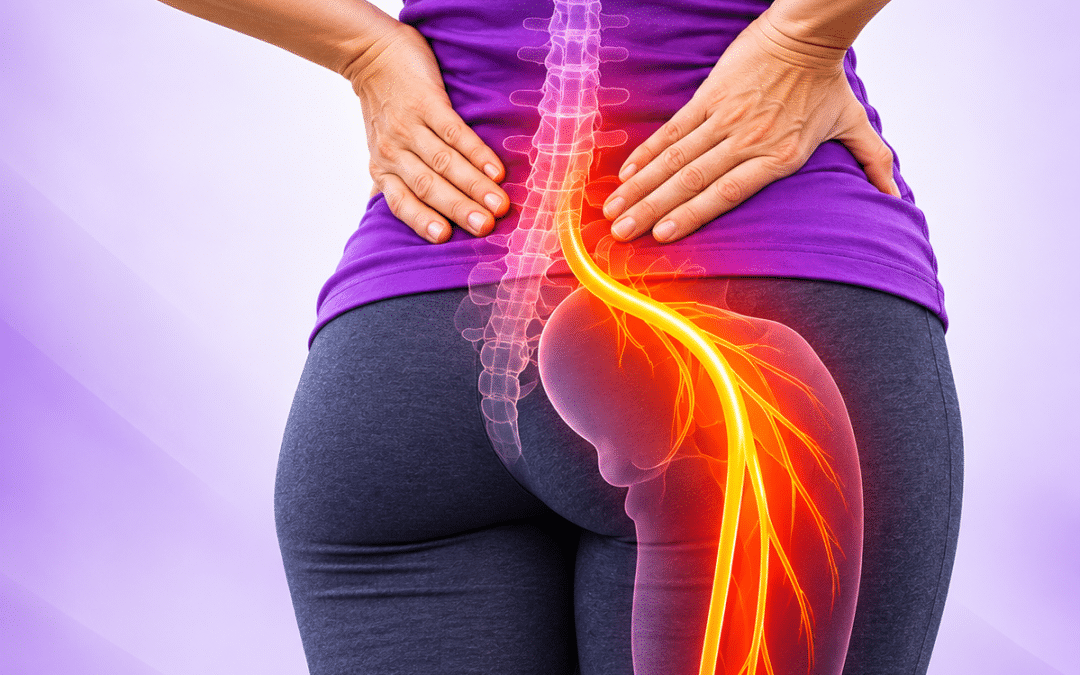
Do you experience pain that starts in your lower back or buttock and travels down one leg? You may be experiencing sciatica.
Sciatica refers to symptoms caused by irritation or compression of the sciatic nerve or its nerve roots. The discomfort can range from mild aching to sharp, burning pain that makes sitting, standing, or walking difficult.
The good news is that many people with sciatica improve with appropriate conservative treatment, including physical therapy.
What Causes Sciatica?
Sciatica can develop when the nerve roots in the lower spine become irritated or compressed. Common causes include:
-
Herniated Disc: A disc in the lower spine may bulge or herniate and irritate a nearby nerve root.
-
Spinal Stenosis: Narrowing of the spinal canal may place pressure on nerves.
-
Degenerative Disc Changes: Age-related changes in the spine can sometimes contribute to nerve irritation.
-
Spondylolisthesis: A vertebra may slip forward and contribute to narrowing around the nerve roots.
A physical therapist can assess your movement, symptoms, and functional limitations to help determine an appropriate treatment approach.
Common Symptoms of Sciatica
Sciatica symptoms often affect one side of the body and may include:
-
Pain traveling from the lower back or buttock into the leg
-
Burning, shooting, or electric-like discomfort
-
Tingling or numbness in the leg or foot
-
Pain that becomes worse with prolonged sitting
-
Difficulty standing, walking, or changing positions comfortably
Symptoms can vary depending on which nerve root is affected.

How Can Physical Therapy Help Sciatica?
Physical therapy can help improve movement, build strength, and reduce the impact of symptoms on everyday activities.
Treatment may include:
1. Therapeutic Exercises
A physical therapist may recommend exercises to improve spinal mobility, strengthen supporting muscles, and help you move more comfortably.
2. Flexibility and Mobility Training
Gentle mobility exercises may help address stiffness and improve your ability to perform daily activities.
3. Manual Therapy
Hands-on techniques may be used when appropriate to help improve movement and address muscle or joint restrictions.
4. Postural and Movement Education
Learning how to sit, stand, lift, and move comfortably may help reduce aggravating positions and improve daily function.
5. Individualized Activity Guidance
Your physical therapist can help you gradually return to walking, work, exercise, and other activities based on your symptoms and progress.
When Should You Seek Physical Therapy for Sciatica?
Consider scheduling an evaluation if:
-
Pain travels from your lower back into your leg.
-
Tingling or numbness keeps returning.
-
Sitting or walking has become uncomfortable.
-
Symptoms interfere with work, sleep, or daily activities.
-
Your discomfort is not improving with basic self-care.
Seek urgent medical attention if you develop new or worsening leg weakness, numbness around the groin or saddle area, or difficulty controlling your bladder or bowel. These may indicate a serious condition requiring immediate evaluation.

Find Help for Sciatica at
Marathon Physical Therapy
Sciatica can make everyday activities challenging, but you don’t have to manage the discomfort alone.
At Marathon Physical Therapy, our team provides individualized physical therapy services designed to help patients improve mobility, restore strength, and return to the activities they enjoy.
If you’re experiencing lower back pain that travels into your leg, contact Marathon Physical Therapy to schedule an evaluation at our Great Neck or Floral Park location.